
Our Lead Inspection Services
Renovation Permits
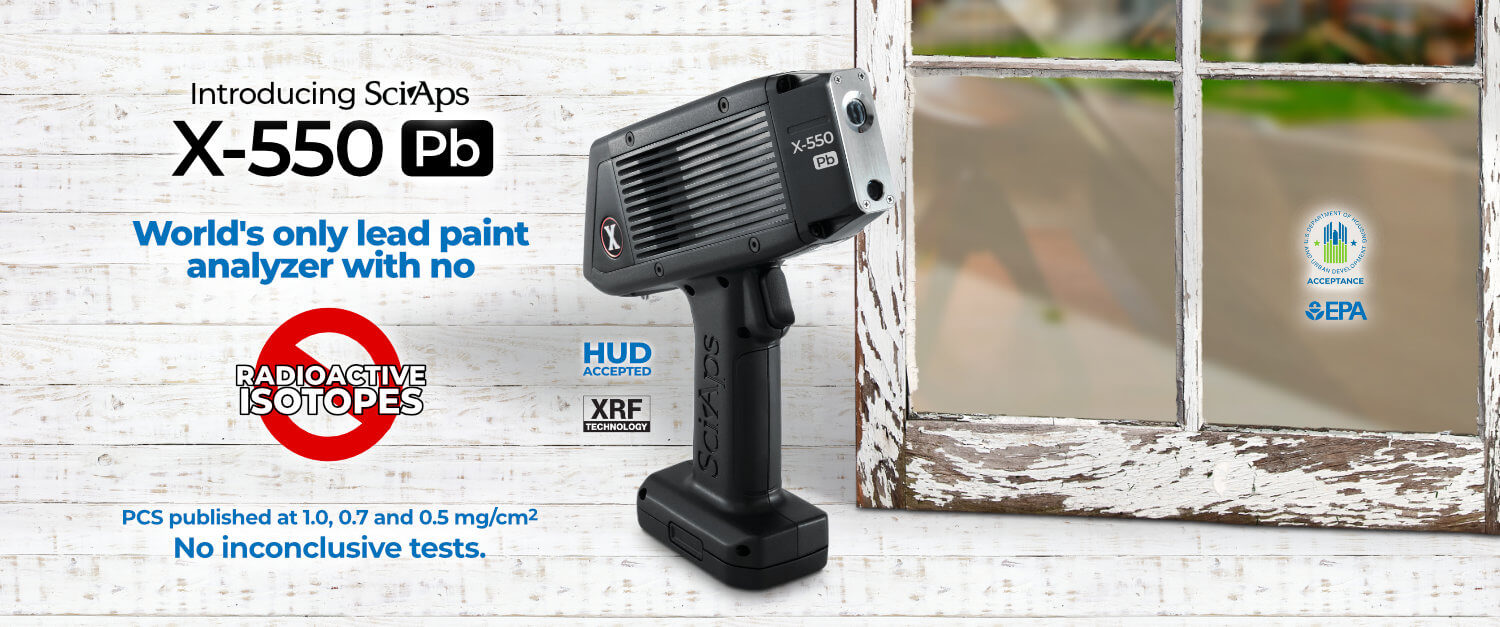
Significant projects generally require lead inspections using XRF machines to determine presence of lead-based paint, to avoid spreading dangerous lead debris and dust. We use the SciAps X-550 Pb analyzer, the most advanced and safest such analyzer ever built. Inspections include: Results within 3 days or less: summary report highlighting components with lead-based paint; table of all XRF readings.
PRICING:
Estimated costs for XRF inspections start at $300 for a single floor, depending on size; each addition floor is $100. Readings on the exterior of the property may incur additional fees.

Lead Risk Assessments
An inspector can only identify sources of potential lead exposure, like lead in paint, dust or soil. A risk assessor looks for actual lead hazards, and recommends ways to address those hazards and reduce risks.
PRICING:
Prices for lead risk assessments typically fall within broad ranges depending on property size, building type, sampling scope, and lab analysis costs.
Rental Clearances
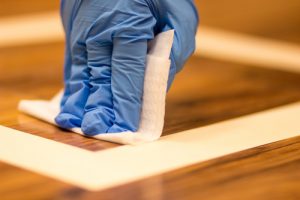
In DC and most other states, a rental property that may house young children or pregnant women requires a visual inspection for defective paint, and dust swipes from floors and windows in each separate area to ensure that no lead-containing dust is present.
PRICING:
Rental clearance estimated cost is $100 plus $18 per dust wipe to cover labor and lab fees, for results within 5 days (quicker turnaround is possible but requires additional lab fees).

Household Items
Surprisingly, some imported spices can be contaminated with lead; imported ceramic and metal foodware may contain harmful levels of lead: soil in play areas could have elevated lead levels. We can check that!
PRICING:
We will test up to ten items or soil samples for $200. Or organize a lead testing house party and invite your friends!
Why test for lead?
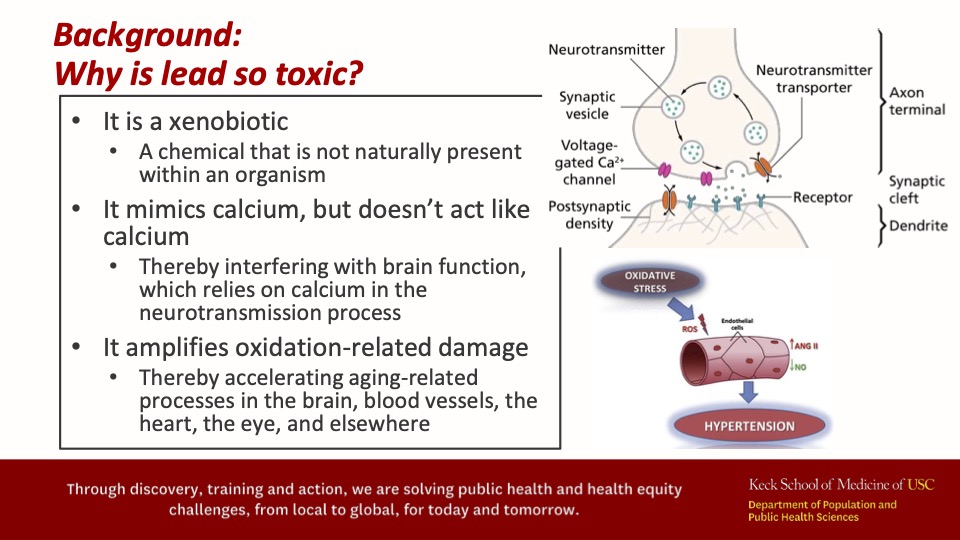
We test for lead for a simple reason — lead is bad for people, especially young children, potentially causing serious and permanent damage to brains and bodies. According to the U.S Centers for Disease Control, there is no such thing as a safe level of lead in blood. If you know or suspect your child has been exposed to lead, a blood test is the best way to determine possible risks, even if your child doesn’t show any symptoms.
People, especially children, get exposed to lead in a number of ways:
Paint in homes built before 1978 that is deteriorating or chipping
Soil near older buildings, airports, or busy roads
Drinking water delivered through lead pipes, faucets, and plumbing fixtures
Consumer products, such as toys, jewelry, antiques, and ceramics
Certain foods, cosmetics, and traditional medicines imported from other countries
Jobs and hobbies that involve working with lead-based products and might cause parents or caregivers to bring lead into the home.
Get in Touch With Us
Whether you have questions, need support, or want to explore opportunities—our team is just a message away.
Mark@bluespruce.biz
Phone
(202) 277-8836