
We test for lead for a simple reason — lead is bad for people. Lead can have serious and permanent negative effects on people’s brains and bodies. According to the U.S Centers for Disease Control, there is no such thing as a safe level of lead in blood.
What lead does in the human body
Lead has no apparent physiological function. When ingested or inhaled, lead can mimic other biologically essential metals, such as zinc, iron and, in particular, calcium.
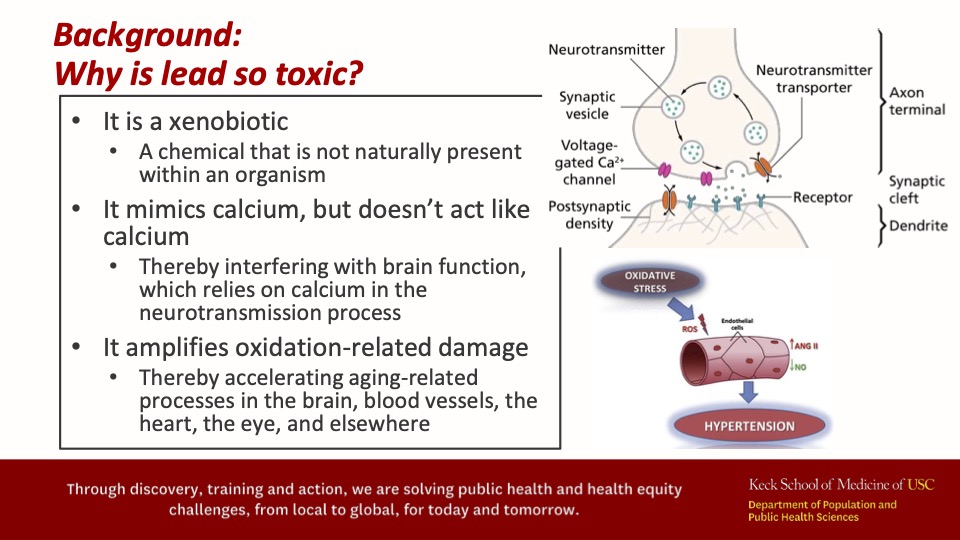
Once lead enters the body, it can remain their for decades. Exposure to lead can seriously harm a child’s health and cause well-documented health effects. These effects include damage to the brain and nervous system and slowed growth and development. Children may also have learning and behavior problems and hearing and speech problems. In adults, there is a growing body of evidence that lead exposure is associated with an increased risk of cardiovascular disease, including hypertension, ischemic heart disease
and stroke.
How do people get exposed to lead?
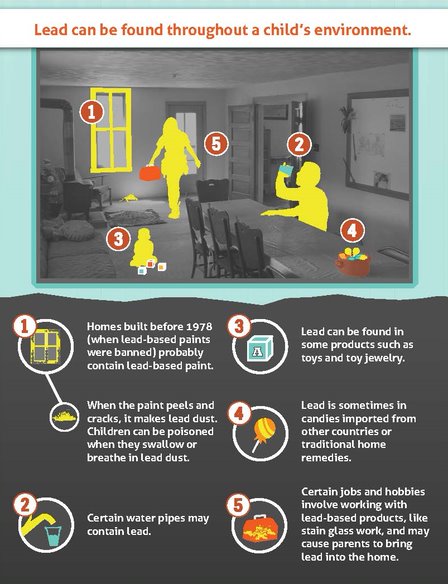
People, especially children, get exposed to lead in a number of ways:
- Paint in homes built before 1978 that is deteriorating or chipping
- Soil near older buildings, airports, or busy roads
- Drinking water delivered through lead pipes, faucets, and plumbing fixtures
- Consumer products, such as toys, jewelry, antiques, and ceramics
- Certain foods, cosmetics, and traditional medicines imported from other countries
- Jobs and hobbies that involve working with lead-based products and might cause parents or caregivers to bring lead into the home
Why is lead especially bad for children?
A child’s brain grows fastest during the early years of childhood, when thousands of neural connections are made every second. Lead exposure can substantially interfere with this complex, important and delicate process.
Infants and young children absorb about 4-5 times more of the lead that enters their bodies than do adults.
The risk of ingesting lead-contaminated soils and dust is also higher, due to the way children play outdoors and because they are closer to the ground, especially when they are learning to walk and crawl. Children may also be exposed to lead by eating and drinking food or water containing lead or from dishes or glasses that contain lead, inhaling lead dust from lead-based paint or lead-contaminated soil or from playing with toys with lead-based paint.
Lead exposure can create learning disabilities and challenges that affect children’s executive functioning, impulse control and levels of aggression. These conditions are often irreversible and, studies find, may impact the likelihood of learning and behavioral difficulties, violence, and crime in adulthood.
Note that pregnant women with elevated blood lead levels also expose their unborn babies to lead!
What can parents do to minimize lead exposure?
The most important way to prevent lead exposure in your home is to know your risks — have your home inspected by a certified lead inspector!
If you know or suspect your child has been exposed to lead, a blood test is the best way to determine possible risks, even if your child doesn’t show any symptoms.
The CDC has a nice “Know the Facts” resources with other actions.